



Korean Chaebol Heirs Receive Big Dividends Despite Losses
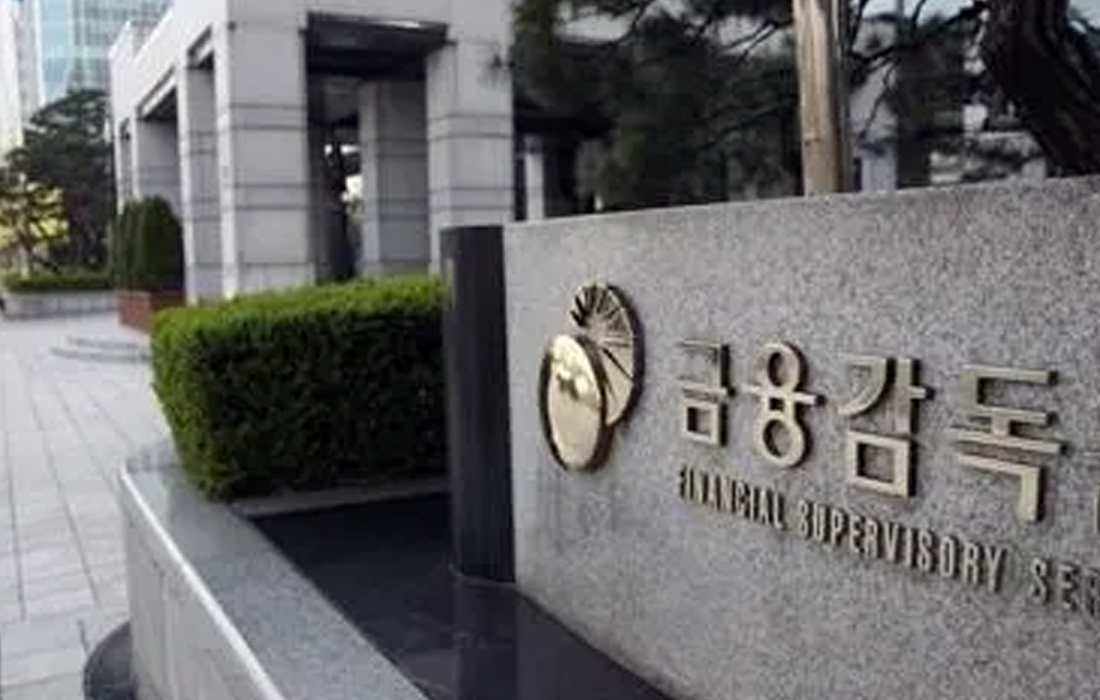
Seoul, July 13 – Some family members of South Korea’s largest business groups, known as chaebols, have received large dividends from private (unlisted) companies — even as the country faces economic troubles and political uncertainty.
Financial data released by the Financial Supervisory Service shows that several unlisted firms linked to major conglomerates paid out more in dividends than they earned in profits.
One example is Samyang International Co., part of GS Group, which operates in golf and tobacco retail. It paid 10 billion won (about $7.25 million) in dividends last year — more than its net profit of 9.19 billion won.
About 8.2 billion won of those dividends reportedly went to three members of the GS Group founding family, including Huh Joon-hong, the company’s biggest shareholder and future leader of the group. Huh and his relatives also received another 13.2 billion won in dividends from two other GS-linked companies, including Samjoung Development Co., which is also unlisted.
Another case involves K Cube Holdings Co., fully owned by Kakao Corp. founder Kim Beom-su. Despite reporting a net loss of 3.35 billion won, the company paid 15 billion won in dividends.
Gwangyoung Construction Co., part of the Booyoung Group, paid 16.3 billion won to Chairman Lee Joong-keun and 3.2 billion won to his son, even though the firm made just 14.7 billion won in net profit.
These cases are raising concerns about poor governance and weak oversight at unlisted companies. Since these companies are not publicly traded, they don’t follow the same strict rules as listed ones.
Experts are calling for stricter government rules to stop unfair or suspicious financial activities between listed and unlisted companies. They also say company boards must play a stronger role in monitoring such decisions.
“Financial penalties should be stronger for suspicious deals between listed and unlisted firms,” said Lee Hyo-seob, a researcher at the Korea Capital Market Institute. “We also need better rewards for whistleblowers who report these issues.”
As concerns over transparency grow, regulators are under pressure to improve rules and prevent powerful business families from using unlisted firms for personal gain — especially when the economy is facing challenges like US trade tariffs and political instability.
