



Indian Astronaut Shubhanshu Shukla Set to Return July 15
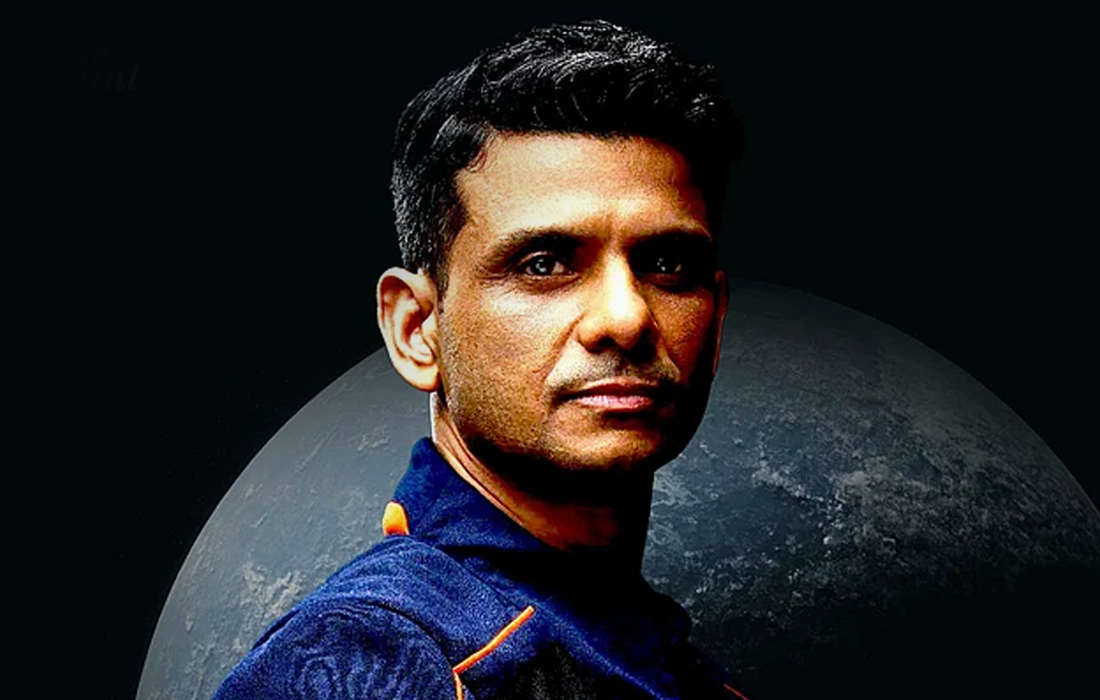
New Delhi, July 13 – Indian astronaut Shubhanshu Shukla is expected to return to Earth on July 15 at 3:00 p.m. IST, as part of the Axiom-4 International Space Station (ISS) Mission. The update was shared by Union Minister Jitendra Singh on Sunday.
Shukla is currently onboard the ISS with Peggy Whitson, Sławosz Uznanski-Wisniewski, and Tibor Kapu. The four astronauts will leave the space station aboard the SpaceX Dragon spacecraft, which will undock from the Harmony module on July 14 at 4:30 p.m. IST.
The final splashdown — when the spacecraft lands in the ocean — is planned near the California coast in the Pacific Ocean. These timings may vary slightly, with a margin window of about one hour.
Shukla, a Group Captain in the Indian Air Force (IAF), is on a 14-day space mission and has become:
-
The first Indian astronaut to visit the ISS
-
The second Indian to go to space, after Rakesh Sharma in 1984
While onboard the ISS, Shukla performed seven space experiments designed in India. These experiments are important for India’s future human space missions, such as Gaganyaan and the Bhartiya Antariksha Station.
Key Experiments Conducted:
-
Muscle Loss (Myogenesis): Studied how muscle cells behave in space.
-
Brain-Computer Interface: Tested how humans can interact with computers using brain signals.
-
Sprouting Seeds in Space: Grew green gram (moong) and fenugreek (methi) to study food possibilities for astronauts.
-
Tardigrades Study: Observed survival and reproduction of tiny, strong creatures known for living in extreme conditions.
-
Cyanobacteria Growth: Studied two types of bacteria useful for life support systems in space.
These experiments will help improve food growth, health monitoring, and life systems in future missions to the Moon or Mars.
After returning to Earth, Shukla and the other astronauts will go through a 7-day rehabilitation program. This will help them adjust to Earth’s gravity after spending time in microgravity on the space station. The program will be supervised by flight surgeons to monitor their health.
The mission is seen as a major achievement in India’s space journey and a step forward in preparing for long-term human spaceflight programs.

