



North Korea Slams Japan’s Defence Report, Accuses Tokyo of Planning for War
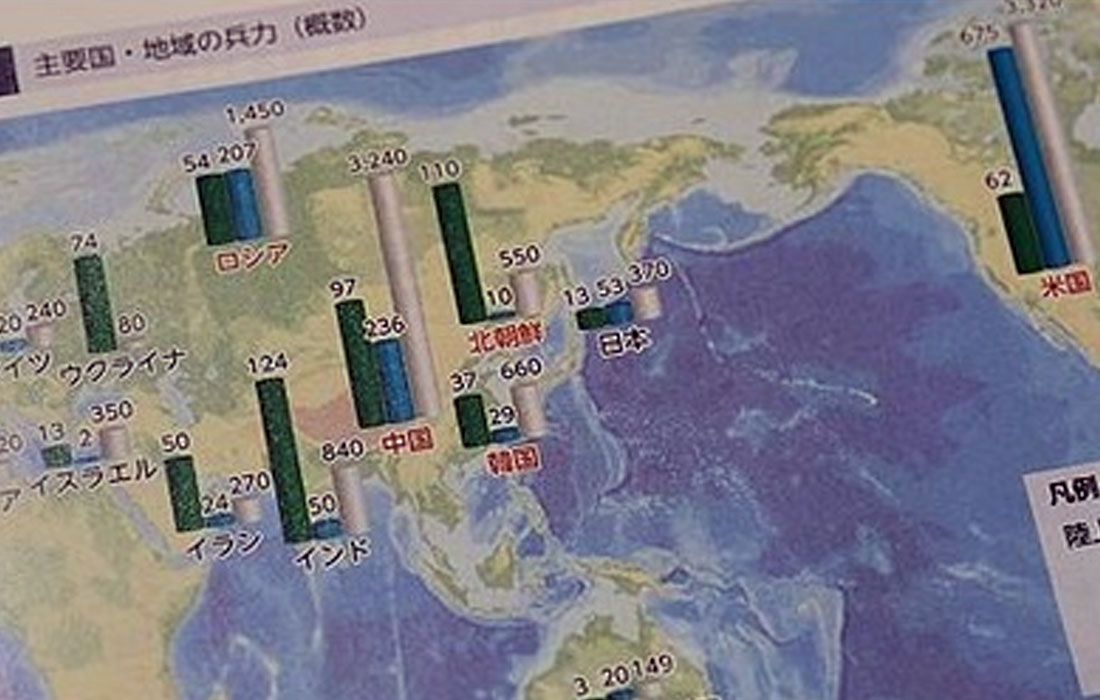
North Korea has sharply criticized Japan’s latest defence white paper, calling it a “war scenario” and accusing Tokyo of trying to become a military superpower under the cover of self-defense.
The strong response came from the Institute for Japan Studies, part of North Korea’s foreign ministry, just days after Japan labeled North Korea, China, and Russia as “grave and urgent threats” in its 2024 defence report.
Japan’s white paper raised serious concerns over possible military cooperation between North Korea and Russia, including the transfer of nuclear and missile technologies. It also highlighted Japan’s efforts to build up its military, citing its development and purchase of long-range missiles.
North Korea reacted by accusing Japan of returning to its past imperial ambitions. The KCNA (Korean Central News Agency) published a statement claiming that Japan is obsessed with acquiring preemptive strike capabilities and is trying to justify this by labeling North Korea as a threat.
“This is nothing but shameless sophism,” the statement read, “meant to hide the reality of Japan turning into a military base for the US strategy in the Indo-Pacific region.”
The statement added that Japan is no longer following a peaceful path, saying, “This is not just a temporary response but a full change in Japan’s military policy.”
North Korea claimed that its own nuclear weapons development is necessary to “strongly suppress the provocations of the US and its allies.” It warned that Japan’s military growth poses a serious threat to peace and stability in the region.
In a separate commentary, KCNA also criticized Japan’s joint fighter jet development project with the UK and Italy, calling it an attempt to rebuild its old “war alliance.”
“Japan’s military modernisation is not about defense. It’s part of a deeper plan to return to its imperialist past,” KCNA claimed.
Tensions continue to rise in East Asia, as Japan boosts its defense spending and military capabilities amid growing concerns over threats from North Korea, China, and Russia.

