



China Begins Mega Dam Project on Brahmaputra Headwaters, India Voices Concern Over Water Security
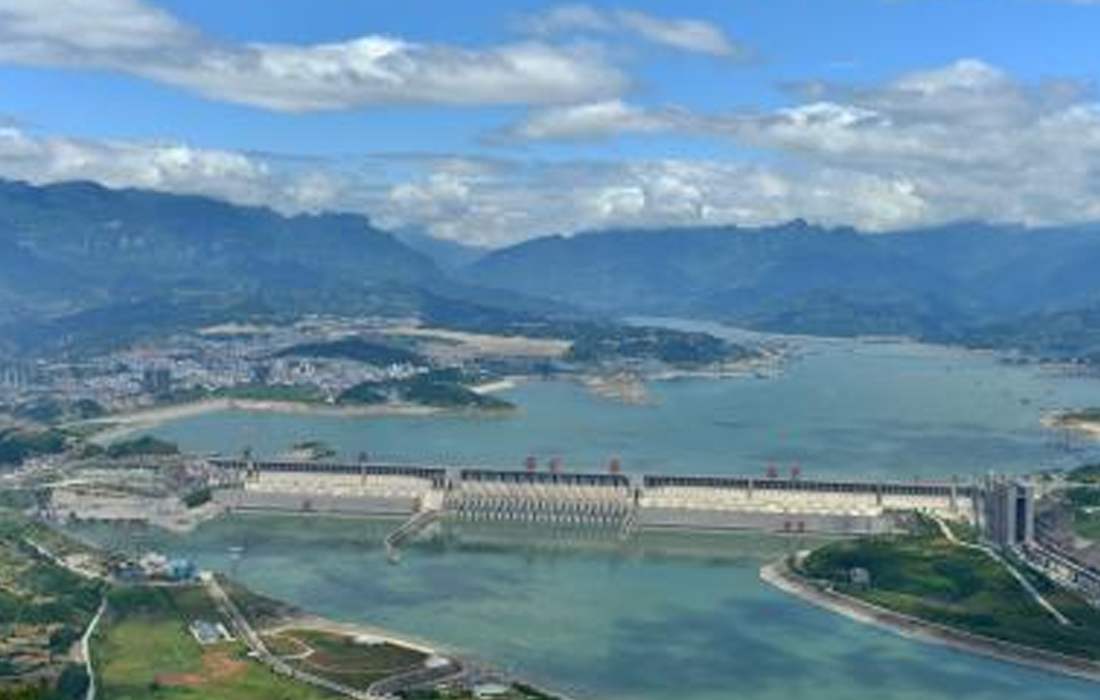
Beijing/New Delhi, July 19 — China has officially started building a huge dam project on the Yarlung Tsangpo River in Tibet, which becomes the Brahmaputra River when it enters India. This project has raised serious concerns in India and Bangladesh, which are downstream countries.
Chinese Premier Li Qiang attended the groundbreaking ceremony in Tibet and announced the start of the Yarlung Zangbo River Lower Reaches Hydropower Project, according to China’s state-run Xinhua News Agency.
The mega project includes five power stations and will cost about 1.2 trillion yuan (around $167.8 billion). The plan is to build tunnels to straighten the river’s flow and increase electricity generation. China says most of the power will be used outside Tibet, though it will also supply energy locally.
However, India is worried that the dam could affect water flow, agriculture, and ecology in its northeastern states like Arunachal Pradesh and Assam. India has been closely watching China’s actions on the Brahmaputra and has already raised concerns about the dam through official diplomatic channels.
India first raised the issue on December 30 last year, asking for transparency and consultation. The Indian government believes that downstream countries must not be harmed by upstream projects like this.
Kirti Vardhan Singh, Minister of State for External Affairs, said in Parliament that India uses a regular Expert Level Mechanism, started in 2006, to talk with China about shared rivers. He also mentioned that India is working to protect the rights and safety of its people in affected areas.
In January, Foreign Secretary Vikram Misri visited Beijing and discussed river cooperation, including sharing of water data. China and India agreed to resume talks and data-sharing on river matters.
Just this week, External Affairs Minister S. Jaishankar also met Chinese President Xi Jinping in Beijing. He said both countries must work on long-term peace, solve border issues, and avoid trade restrictions.
India remains in talks with China to protect its water rights, especially for rivers shared across borders.

