



Ivermectin Reduces Malaria Infections by 26% in New Study, Offers Hope Against Drug-Resistant Mosquitoes
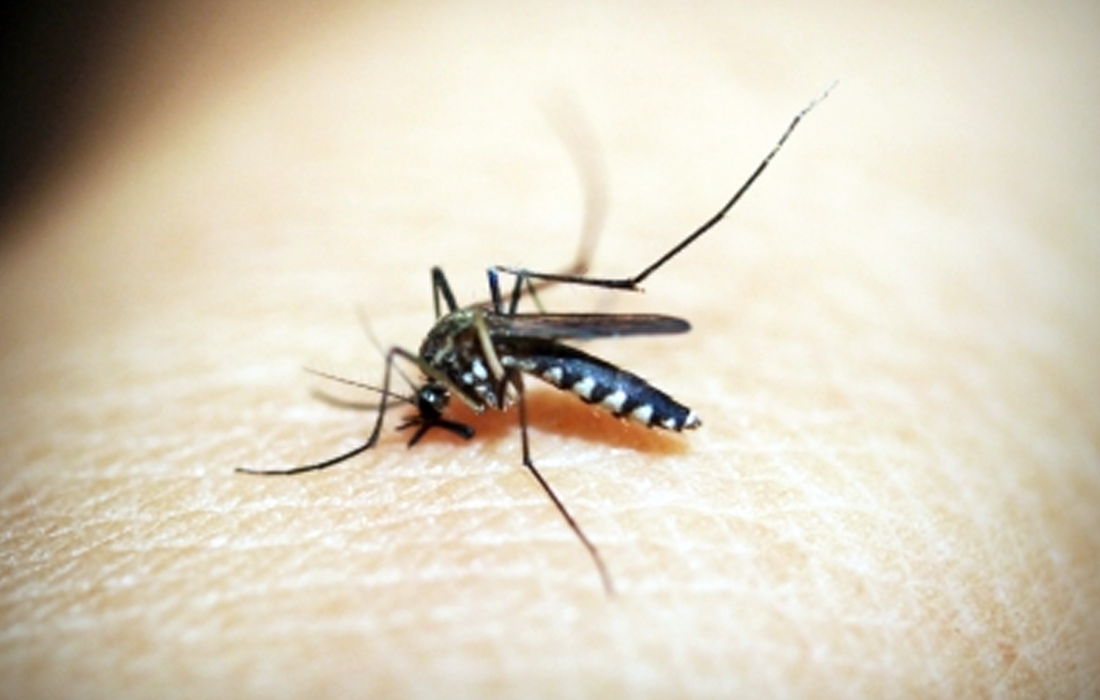
New Delhi, July 26 — A new study has found that ivermectin, a medicine traditionally used to treat tropical diseases, can help reduce malaria infections by 26%. The findings give fresh hope in the fight against malaria, especially as mosquitoes grow resistant to common insecticides.
Ivermectin is already used to treat diseases like onchocerciasis (river blindness) and lymphatic filariasis (elephantiasis). The drug works by killing mosquitoes that bite people who have taken the medicine, thus lowering the chances of spreading malaria.
The study was carried out by researchers from the Barcelona Institute for Global Health (ISGlobal) and took place in Kwale County, Kenya. It involved children aged 5 to 15. Those who received ivermectin had 26% fewer malaria infections compared to children who were given albendazole, the control drug.
Published in The New England Journal of Medicine, the study showed that ivermectin was especially effective in areas where the medicine was distributed well and where children lived farther from the edge of test areas.
Researchers said the drug has a good safety profile — there were no serious side effects, and only mild and short-term issues were reported. These side effects are already known from ivermectin’s use in other health programs.
Carlos Chaccour, co-leader of the study, said, “Ivermectin has shown great promise in cutting malaria transmission and could be used alongside other tools to help control — and maybe even eliminate — malaria.”
Malaria is still a major health issue, with 263 million cases and 597,000 deaths in 2023. Existing methods like insecticide-treated bed nets and indoor spraying are becoming less effective as mosquitoes adapt to bite outside or at times when people are not protected.
This study used a single monthly dose of ivermectin (400 mcg/kg) for three months during the rainy season, showing that it could be a valuable addition to malaria control strategies.

