
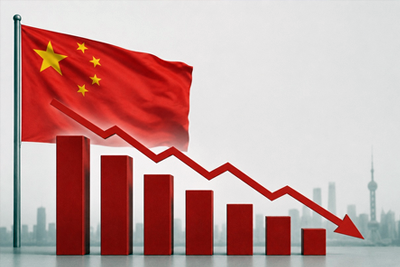
China’s economy expanded by 4.3% in the second quarter, with weaker domestic demand and falling investment slowing growth. According to the Mercator Institute for China Studies (MERICS), fixed-asset investment declined across several sectors, including real estate, infrastructure, education, healthcare, and construction, reflecting financial strain on local governments.
The report also noted worsening structural imbalances in the economy. Domestic car sales fell 16.1% in June from a year earlier, highlighting weak consumer confidence. In contrast, exports rose 27% and imports increased 36% in value terms, driven largely by higher prices and strong performance in high-tech goods rather than higher import volumes.
MERICS said China’s continued reliance on exports is likely to keep trade tensions with the European Union elevated. European governments, including Germany, have become more vocal about concerns over China’s industrial policies, but the report expects Beijing to remain resistant to major trade concessions because of domestic economic pressures.
The study added that stronger household consumption and investment are needed to prevent a wider slowdown and support growth targets. However, meaningful reforms to boost consumer spending are viewed as a long-term challenge and are unlikely to deliver immediate results.