



GST 2.0 Reforms Bring Relief for Dairy Traders and Consumers in Maharashtra and Gujarat
Dairy traders in Maharashtra’s Nashik and Gujarat have welcomed the Central Government’s new GST 2.0 reforms, calling them a big relief for businesses and consumers alike. Many see this move as a major step toward Prime Minister Narendra Modi’s vision of a self-reliant India.
Ramesh Narayan Pagar, a well-known milk and cheese businessman from Nashik, praised the decision, describing it as a “gift from the government” ahead of the festive season. He said the reduction in tax rates will make essential items more affordable for the poor and middle class, reducing financial pressure on families. Pagar also noted that festivals like Navratri and Diwali will bring higher demand, which can boost trade and strengthen the economy.
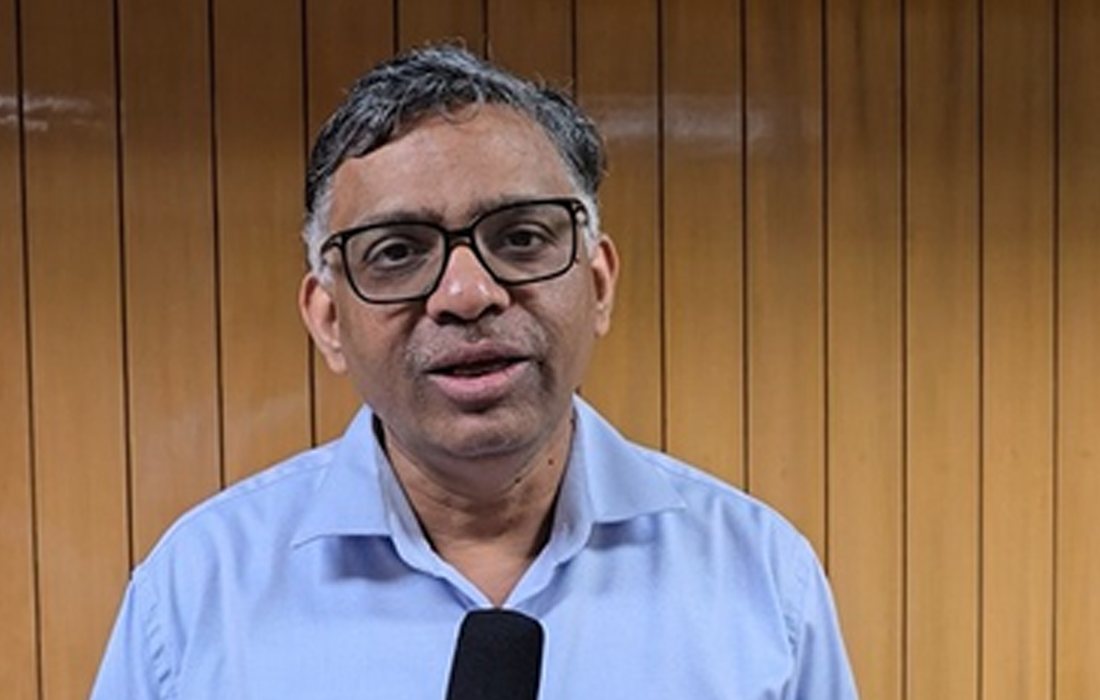
Jayen Mehta, Managing Director of the Gujarat Cooperative Milk Marketing Federation, also welcomed the reforms. He said the lower tax rates would benefit both producers and consumers. According to him, cheaper prices will increase consumption, expand markets for dairy producers, and create a positive ripple effect across the industry. He added that since India is the world’s largest milk-producing country, these reforms are a strong step toward self-reliance and long-term growth.
The GST Council recently approved major changes to India’s indirect tax system, which will take effect from September 22. The new structure simplifies the tax slabs to two main rates—5 percent and 18 percent—while luxury and sin goods will continue to attract 40 percent tax.
For everyday consumers, this means a range of essential products will cost less. Items such as groceries, fertilizers, footwear, and even renewable energy solutions will become more affordable. Goods that were previously taxed at 12 percent or 28 percent will mostly shift into the lower slabs, directly benefiting households.
By reducing costs for both consumers and businesses, the government hopes GST 2.0 will not only provide relief during the festive season but also encourage spending, which can give the economy a meaningful boost.
