



How Verbal Autopsy Can Help India Reduce TB Deaths
Verbal autopsy is proving to be a useful tool in India’s fight against tuberculosis (TB). Dr Kavita Vasudevan from Indira Gandhi Medical College and Research Institute (IGMC&RI) in Puducherry said it helps find the real reasons behind TB deaths.
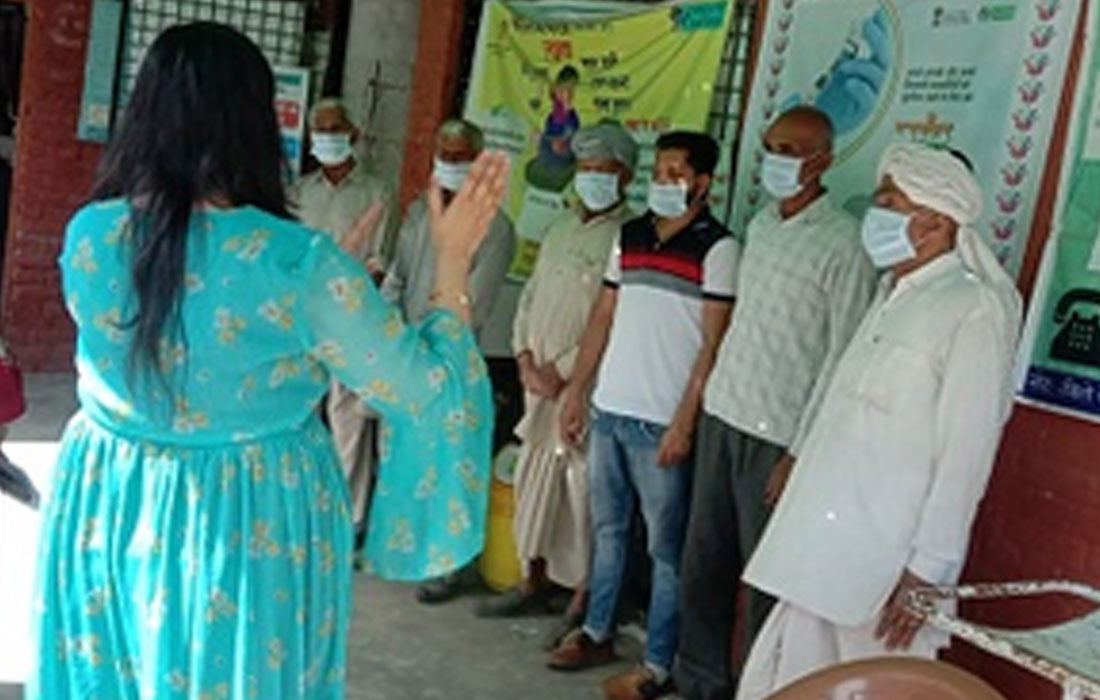
She explained that verbal autopsy involves interviewing close family members or caregivers of the person who died. They are asked questions about the symptoms, treatment, hospital visits, and events leading to death. This helps doctors understand the exact cause of death, especially when medical records do not have full details.
Dr Vasudevan said, “It shows treatment delays, health system problems, and social or financial challenges faced by patients. This information helps improve diagnosis, treatment, and referral processes.”
In Puducherry, doctors are using verbal autopsy to study 160 TB deaths reported in 2024. The early analysis shows that many patients died within seven days of being diagnosed, which means they reached hospitals very late.
She also noted that some patients came from nearby districts in Tamil Nadu and gave false local addresses to get treatment in Puducherry.
Verbal autopsy combines two methods – checking clinical records (quantitative) and interviewing family members and health staff (qualitative) – to find out why TB patients died. This helps health programmes make better decisions to prevent such deaths.
India uses verbal autopsy under the Sample Registration System since 2001. AIIMS New Delhi also started the MINErVA platform in 2017 to strengthen mortality data collection across states.
The National Tuberculosis Elimination Programme (NTEP) now requires a detailed verbal autopsy for TB deaths to improve services and prevent avoidable deaths.
Dr Vasudevan said TB is one of the top 10 causes of death in the world and the second leading cause after COVID-19. In India, there are around 23 TB deaths per lakh population. The WHO aims to reduce global TB deaths by 90% by 2025 and advises using verbal autopsy as part of this strategy.

