



New Antibody Drug Shows Promise for Hard-to-Treat Lung Cancer in Early Human Trial
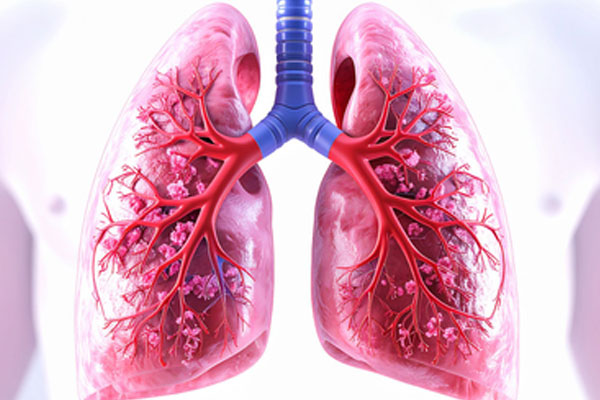
A new drug being tested in China could offer hope to patients with a tough-to-treat type of lung cancer called small-cell lung cancer (SCLC), especially for those whose cancer has returned after earlier treatment.
SCLC is a fast-growing form of lung cancer with very few treatment options. It affects around 1 in 10 men and women diagnosed with lung cancer, which totaled 2.48 million cases worldwide in 2022.
In a first human trial, researchers tested a new antibody-drug called SHR-4849 (also known as IDE849) on 54 patients with relapsed SCLC. The drug targets a protein called DLL3, which is found in high amounts in this type of cancer. The goal is to attack cancer cells while limiting harm to healthy cells.
Patients received different doses of SHR-4849, ranging from 0.8 to 4.2 mg/kg. Among 42 patients whose results could be measured:
-
59.5% showed a positive response to the treatment
-
90.5% had their disease under control
-
At a key dose level (2.4 mg/kg), the response rate was nearly 78%
Importantly, the drug was generally safe. The most common side effects were low white blood cell count, anemia, nausea, and neutropenia (a drop in certain immune cells). No one had to stop the treatment because of side effects, and no treatment-related deaths occurred.
The drug works by attaching a toxin to an antibody that targets DLL3. This helps deliver the toxin directly to the cancer cells. Early results showed that the toxin remained mostly in the tumor area, not spreading much in the blood.
The research team, led by Dr. Linlin Wang, said further trials are underway to figure out the best dose for Phase II studies.
The findings were shared at the 2025 World Conference on Lung Cancer. While it’s still early, the results suggest SHR-4849 could become a new treatment option for people with DLL3-positive small-cell lung cancer.

